

We Used to Watch the World Cup. Now the World Cup Watches Us.
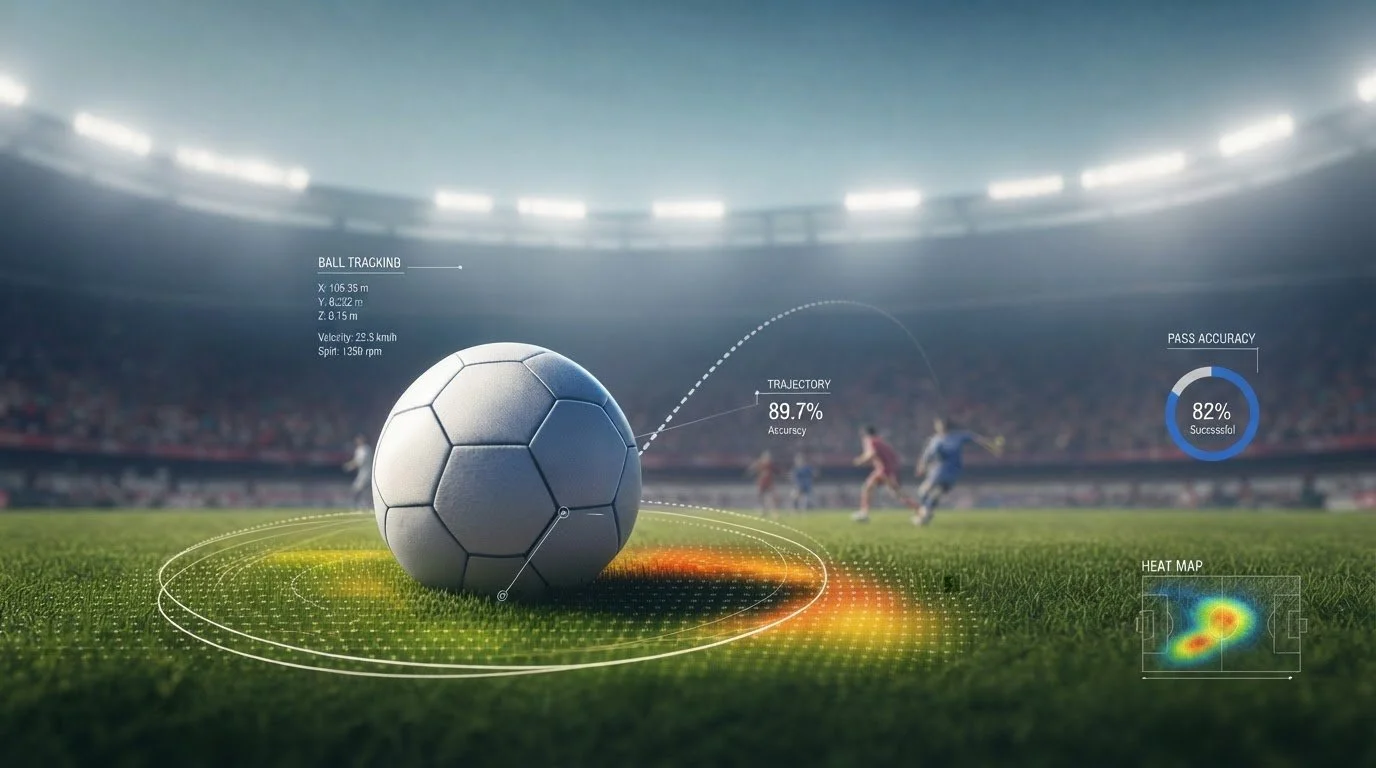
One of the most interesting things about watching the World Cup is not only who scores, which team advances, or who clashes with whom on the pitch. There is something else, something less obvious: the match you are watching may no longer be exactly the same match someone else is seeing.
We may be sitting in living rooms in different cities, looking at the same pitch, the same stadium and the same game. Yet although there is only one ring of advertising boards around the field, viewers in different countries may see different brands.
The live event has not changed. What has changed is the image, the version, and the way the audience is being addressed.
Behind this is virtual advertising technology, which has long been common in the industry. Based on camera angles, broadcast feeds and regional versions, the system can replace pitch-side advertising in real time. Viewers in Asia may see brands relevant to Asian markets, while audiences in North America see local products. The same advertising space can therefore be sold again and again, by market, language or platform.
I used to think that a live broadcast meant delivering a distant event to us more or less as it happened. Now we are discovering that even “live” can come in different versions.
And advertising is not the only thing being rewritten.
Referee cameras give us a first-person view of the game. Semi-automated offside technology and 3D animation turn controversial decisions into lines, angles and visual explanations. AI analysis organises player movement, tactical changes and match data into content that is easier to understand.
These technologies undoubtedly make football more convenient to watch.
If we miss something, we can replay it.
If we do not understand a decision, it can be explained.
If we miss the match altogether, highlights will appear within minutes.
But as everything becomes clearer and faster, the World Cup we see also begins to feel like a version that has been reorganised for each of us.
Some people watch the full 90 minutes. Some only watch the goals. Some study the data, while others are drawn to conflict and controversy. Some sit in front of a television, while others watch highlights on their phones during a commute.
And now, in the age of AI, social platforms can be filled within hours of the final whistle with clips that have been re-edited, re-voiced or even generated. Different platforms know what we like, and they know which images can hold our attention for a few seconds longer.
We may still be watching the same match, but we are no longer sharing exactly the same viewing experience.
This is also changing the role of sponsors.
In the past, sponsoring the World Cup meant buying a pitch-side board, a place on a shirt, or an opportunity to sell products at the venue. At its core, sponsorship was about visibility.
Today, brands can move much closer.
They can provide data analysis, display technology, payment systems, digital services and fan platforms. Lenovo participates in AI and infrastructure. Hisense connects display technology with the viewing experience. Visa embeds payment into the way fans spend.
These brands are no longer simply standing at the side of the pitch. They are becoming part of how we watch, understand, purchase and even remember a match.
This change is not loud, but it is happening quietly, often without us noticing.
We may simply open an app, check a statistic, buy a shirt, receive a notification or replay a short clip. Yet behind these small actions may sit the same network of brands and technology.
In the past, brands wanted fans to remember them. Today, they want to become part of the fan journey itself.
A match is no longer just 90 minutes.
It begins with pre-match predictions, continues through the live broadcast, replays, data, short videos and social discussion, and extends into merchandise, payments and reminders about the next game. The World Cup has become a much longer road, and technology is making it smoother, faster and better signposted.
What we gain is convenience, clarity and a new sense of closeness.
At the same time, as fans, we are also becoming easier to identify.
Which team you support, where you are located, what you watch, how long you stay, and what you share may all become reasons for the next commercial message to appear in front of you.
In the past, fans watched the World Cup.
Today, the World Cup is quietly watching the fans too.