

Sport Is the New Social Currency
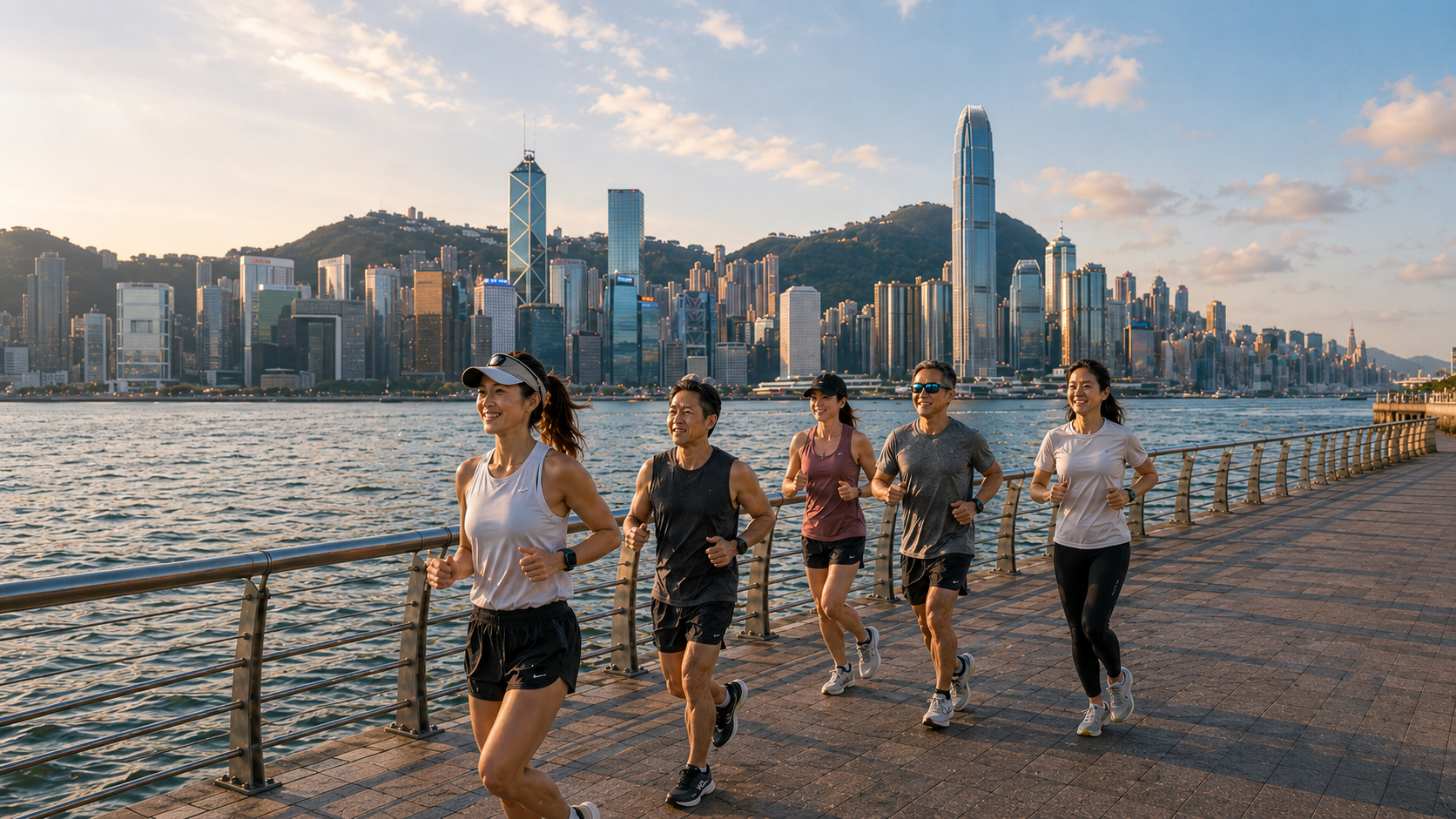
From Spectators to Participants
The afterglow of the Hong Kong Sevens was still lingering.
The London Marathon had just seen two runners break the two-hour barrier.
The adidas Adizero Adios Pro Evo 3 had become the shoe everyone was suddenly talking about.
And by Monday morning, the gym was thick with Hyrox training anxiety.
Sport, it seems, is no longer just something Hong Kong watches.
It is something Hong Kong wears, posts, trains for, pays for, and talks about.
Hong Kong’s Old National Sport
More than a decade ago, when I was pitching to the Hong Kong Tourism Board, I joked that Hong Kong’s national sport was shopping.
Back then, when we talked about sport, it usually meant the World Cup or the Olympics. At most, we were passionate spectators in front of the television.
Today, things feel very different.
After the pandemic, Hong Kong woke up to health in a new way. Chow Yun-fat made running and hiking feel accessible, aspirational, and cool across generations. Our local Olympic athletes gave the city something to believe in together. Bit by bit, Hong Kong’s sporting nerve was switched back on.
From running, fitness, and hiking to the rise of endurance events, people no longer just want to watch others compete.
They want to take part themselves.
Sweat as a Lifestyle Signal
But the most interesting shift is not that Hong Kong people have suddenly become healthier.
It is that sport has become a lifestyle signal.
We used to ask friends which restaurant they had been to. Now we ask which race they have signed up for.
We used to compare handbags. Now we compare running shoes.
We used to meet for karaoke. Now we meet for pickleball.
Sport is no longer just sport.
It is a form of identity.
A kind of social currency.
A visible proof that “I am living well.”
What you sweat for can sometimes start a better conversation than what you bought.
When Marketers Put on Sportswear
The other day, I attended the HKMA forum on “Marketing X Sports: Partnering to Unlock Business Opportunities in Hong Kong’s Sports Economy” at Kai Tak Stadium. Nearly 500 marketers gathered to discuss how marketing and sport can work together to create new opportunities for Hong Kong’s sports economy.
Many CMOs and senior marketers who would usually arrive in office attire had turned up in sportswear.
That image said a lot.
When marketers start dressing like they are ready to compete, sport is no longer just a matter for the sports industry. It has become a new stage for brands, cities, and consumer culture.
From Sporting Energy to City Energy
One of the strongest ideas from the forum was that great sports cities are not defined only by trophies or stadiums. They are built by ecosystems where fans feel an emotional connection, brands create long-term value, and economic benefits continue beyond the event itself.
That, to me, is the real opportunity for Hong Kong.
Not just hosting more events.
But learning how to turn sporting energy into city energy.
Into retail.
Into tourism.
Into social content.
Into brand stories.
Into reasons for people to gather, move, spend, share, and feel part of something bigger.
The Emotion Economy Behind Sport
Hong Kong may not host every major international sporting event. But that does not mean we cannot participate.
Watching a livestream together, running together, wearing the same sportswear, posting the moment on social media — all these can become forms of remote participation.
The real logic behind the sports economy is the emotion economy.
Successful sporting cities do not simply sell tickets to stadiums. They know how to take the adrenaline inside the arena and let it spill into the streets, restaurants, retail spaces, and social feeds.
We no longer prove our worth only through consumption.
Increasingly, we prove we still have control through sweat.
In Hong Kong, sweating is becoming the new flex.
This article was originally published on 6 May 2026 in Invisible Currents(隱形流行), my column in SingTao Headline.