

The Next AI Race Is About Taste
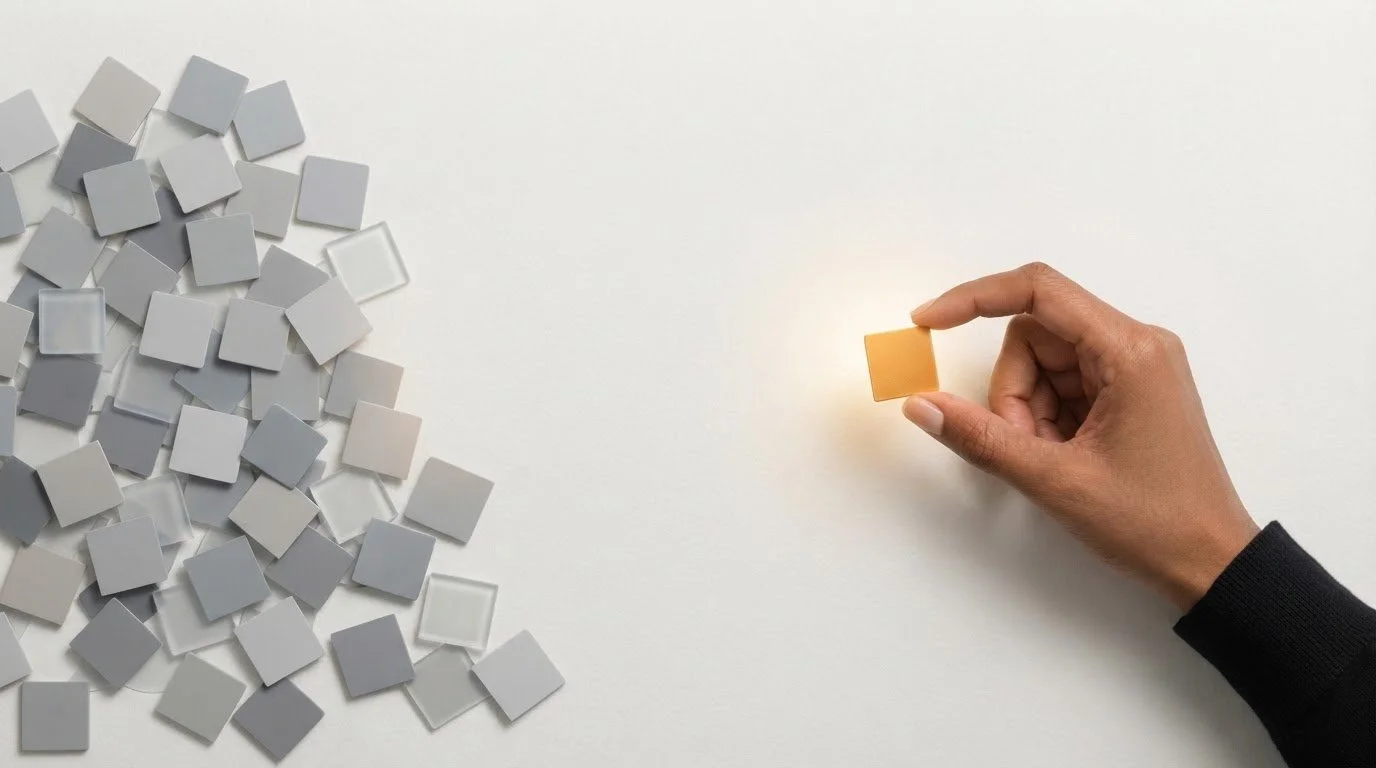
The AI race has never slowed down.
It has simply moved to a different battlefield.
For the past two years, every major AI company competed on models, compute, and benchmarks. But now that everyone can write, code, generate images, build presentations, produce videos, and edit footage, technical capability is rapidly becoming table stakes.
The real differentiator is no longer what AI can do.
It's how it decides what's worth doing.
OpenAI's partnership with former Apple Chief Design Officer Jony Ive is a good example. On paper, it's about building the next generation of AI devices. In reality, OpenAI isn't just acquiring industrial design. It's acquiring Apple's philosophy of taste—decades of knowing what makes a product feel inevitable rather than merely functional.
Anthropic has taken a different path. Long before taste became Silicon Valley's latest buzzword, it brought philosopher Amanda Askell on board to help shape Claude's character. That's a telling move. As AI models converge in capability, the competition is quietly shifting from intelligence to judgment.
Behind judgment lies taste.
Models can be copied. Taste can't.
That shift is happening across Silicon Valley. Pinterest talks about helping people discover inspiration and develop personal style. Adobe focuses on maintaining a consistent visual language across brands rather than simply generating more images.
Different products.
Same destination.
When anyone can create almost anything, competitive advantage shifts to deciding what deserves to exist in the first place.
For decades, Silicon Valley believed every problem could be engineered away.
Now it has encountered one that can't.
Taste.
Some critics call this "Taste Washing." As technology becomes increasingly commoditised, companies are speaking the language of aesthetics, culture, and discernment to build a new competitive moat.
But taste has never been just an algorithm.
French sociologist Pierre Bourdieu described taste as a form of cultural capital—something accumulated through education, upbringing, experience, and exposure. AI can learn our preferences. It can predict what we'll click next. But whether it understands why those preferences exist—or the cultural meaning they carry—is a very different question.
The next frontier of AI may not be intelligence alone.
It may be taste.
Because the companies that shape the future won't simply build the smartest AI.
They'll define what "good" looks like.
This article was originally published on 8 July 2026 in Invisible Currents(隱形流行), my column in SingTao Headline.